
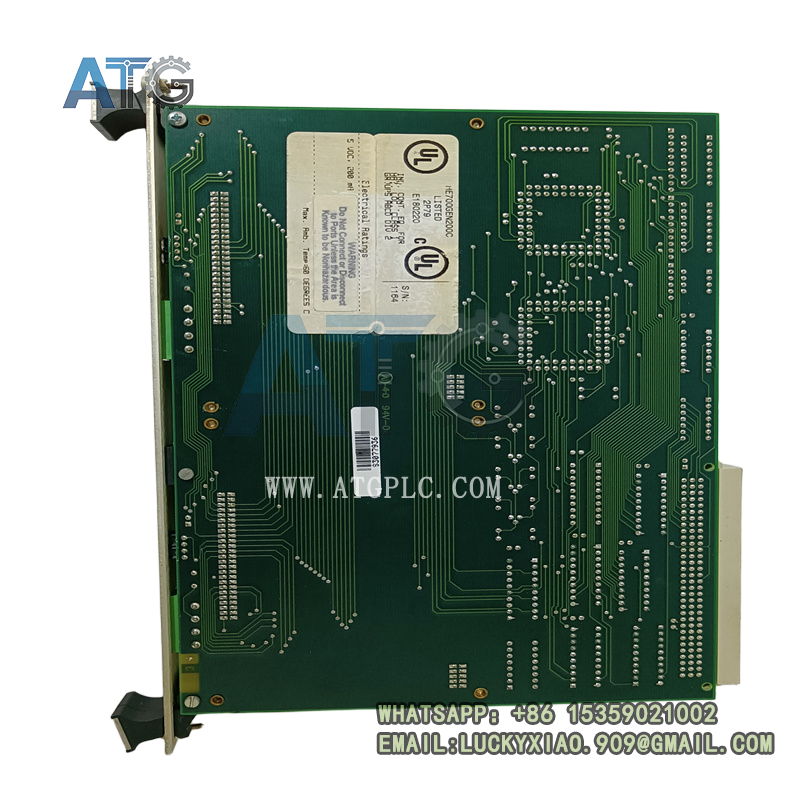

Description
HE700GEN200C Product Overview
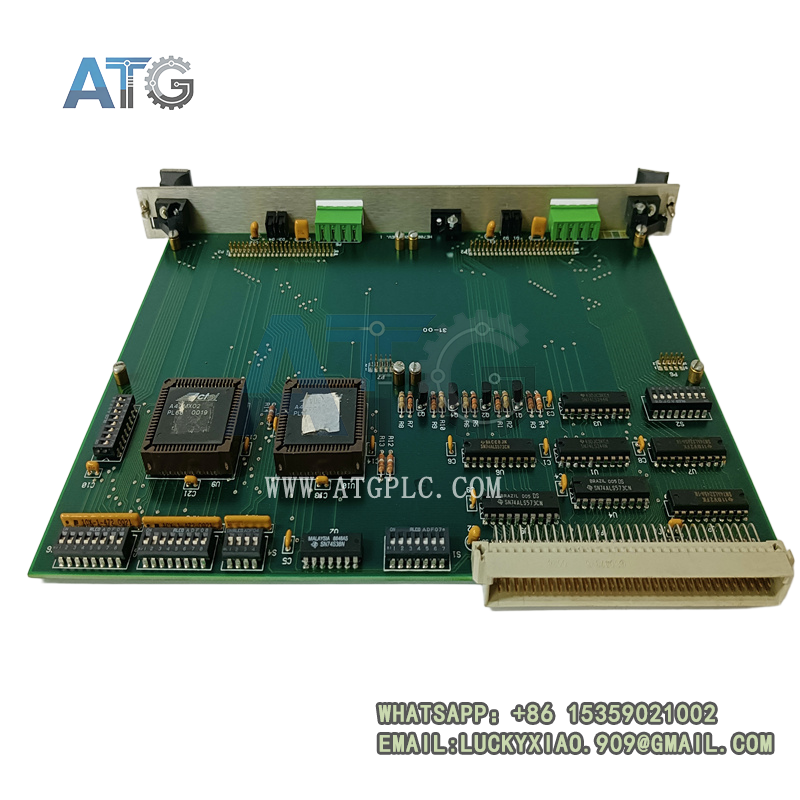
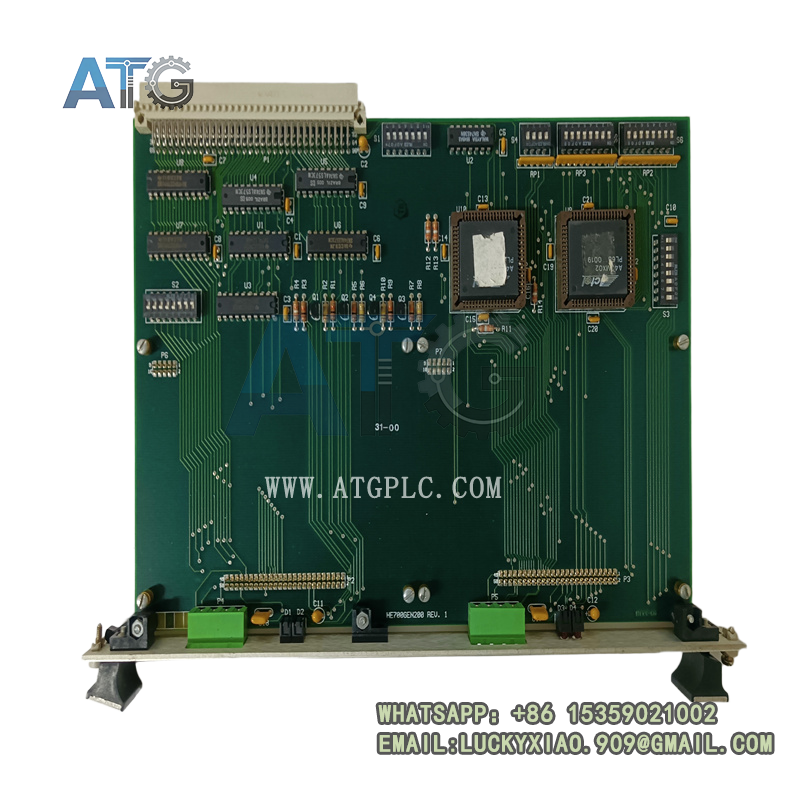
The GE HE700GEN200C is a dual-channel Genius bus interface module that plugs into a VME backplane slot. Horner Electric manufactures it within the HE700 family, and the board carries the uGENI designation on the Horner side. Its job is straightforward but important: it gives a VME host CPU a direct path onto a Genius I/O network, either replacing a Genius Bus Controller (GBC) or running alongside one inside the same rack.
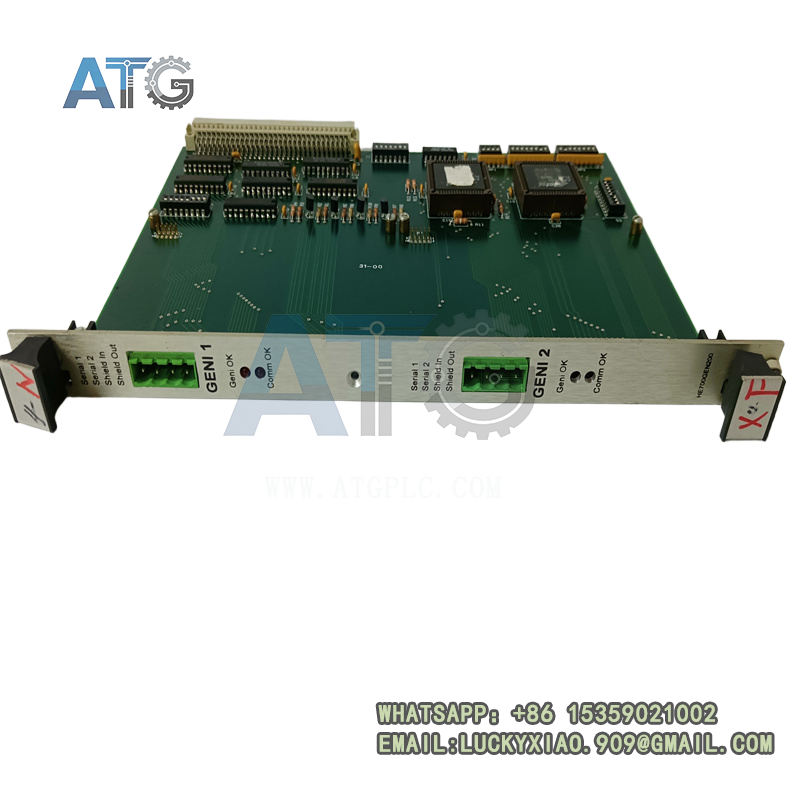
Engineers reach for this card when a Series 90-70 VME rack needs to talk to Genius field blocks without spending a full controller slot on a dedicated GBC. One bus segment carries up to 32 devices in a daisy chain, and the module exposes serial 1, serial 2, shield in and shield out terminals on the front panel. All addressing and bus parameters come from on-board DIP switches, so commissioning happens at the card rather than through programming software.
The trailing C in the part number marks a later production revision of the base HE700GEN200 board, with the same functional footprint and pinout.
Product Features
Dual Genius channels run independent bus segments from a single VME slot, which trims rack cost when a machine needs two separated I/O networks.
Let me put the practical points in order.
- Two Genius channels, each supporting a 32-device daisy chain, so a single card can serve a main line and a remote line at once.
- Front-panel screw terminals for serial 1, serial 2, shield in and shield out, wired for twisted-pair cable with a terminating resistor at both physical ends of the bus.
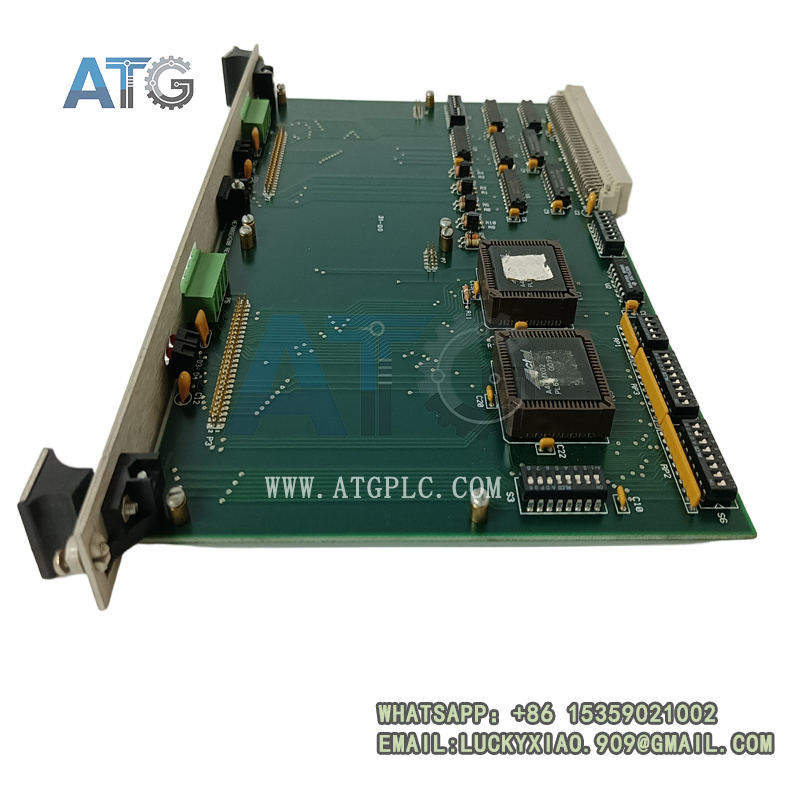
- DIP switch configuration covers the Genius bus address, the bus baud rate, the short-space I/O address plus interrupt vector, and the standard-space uGENI base address.
- Output control at start-up is selectable, which matters on plants where an unattended restart must not energise field solenoids.
- VME interrupt support lets the host CPU react to Genius events instead of polling the interface card.
- Standard 6U VME board with an injector/ejector handle, so it seats and locks the same way as neighbouring cards in a Series 90-70 rack.
- Low backplane draw, roughly 1 W, keeps power budgeting simple in densely populated racks.
- Shield continuity is handled at the connector rather than through the mounting screws, and the manual insists on a short AWG #12 bond to a reliable earth point.
One detail engineers learn the hard way: the mounting screws do not ground the module. Run the grounding wire first, then power up.
HE700GEN200C Technical Specifications
| Item | Specification |
|---|---|
| Ordering model | HE700GEN200C |
| Base board | HE700GEN200 (uGENI VME interface) |
| Manufacturer | Horner Electric, supplied for GE Fanuc systems |
| Product type | Dual-channel Genius bus interface module |
| Bus system | GE Genius I/O network |
| Host interface | VME backplane, 6U board, 160 mm × 233 mm |
| Genius channels | 2, independent |
| Devices per bus | Up to 32, daisy-chained |
| Front-panel terminals | Serial 1, Serial 2, Shield In, Shield Out |
| Bus termination | External terminating resistor at each end, 120 Ω when cable impedance is unknown |
| Baud rate | Selectable through DIP switch, 153.6 kbaud Genius standard rate |
| Addressing | Short I/O space via DIP switch, typically 1000H, 1800H, 2000H, 2800H, 3000H, 3800H, 4000H, 4800H, 5000H; standard space base address 000000H to 100000H |
| Interrupt vector | I/O base address + 1 |
| Configuration | On-board DIP switches, no software setup |
| Power source | +5 VDC from the VME backplane |
| Power consumption | ~1 W |
| Weight | 0.21 kg |
| Operating humidity | 5% to 95%, non-condensing |
| Protection rating | IP20 |
| Typical operating temperature | -20°C to +70°C |
| Reference documents | GE Fanuc GFK-90486 (cable selection); Horner uGENI VME interface manual |
Temperature, baud rate and dimension figures here follow the Horner uGENI documentation and distributor data. Check the manual supplied with your unit before you finalise cabinet thermal design.
Application Fields
The card earns its place wherever a VME-based GE control rack must reach Genius field I/O that sits some distance from the cabinet.
Power generation. Plant retrofits commonly keep existing Genius block wiring and swap the host controller. A uGENI interface keeps that field cabling intact while the CPU layer modernises, which shortens outage work considerably.
Process and manufacturing lines. Two channels suit a cell controller that supervises both a main conveyor line and a satellite packaging station on separate segments.
Water and wastewater plants. Remote Genius blocks around filtration and pumping areas connect over a single daisy chain, and the shield terminals handle the long cable runs typical of these sites.
Legacy Series 90-70 upgrades. Where a rack already runs a GBC but needs a second Genius segment, this board adds the network without displacing the original controller.
OEM machine builds. Machine builders who standardise on Genius blocks use the interface to keep one I/O family across several machine variants.
A word of caution from the field: bus length, cable type and termination quality decide whether this card behaves. Confirm cable impedance and resistor value before you energise the segment.
Related Model Recommendations
- HE700GEN100 — single-channel sibling of the same uGENI family. Pick it when one Genius segment covers the whole machine and rack space is tight.
- HE700GEN200 — the base dual-channel board without the revised C marking. Functionally equivalent for most rebuilds, so availability usually decides between the two.
- IC697BEM731 — GE Series 90-70 Genius Bus Controller. It is the native rack-mounted alternative when you prefer a GE-branded controller over a third-party interface card.
- IC697BEM733 — GE Genius Bus Controller variant for 90-70 racks, useful as a comparison point when you size a multi-segment network.