

Description
Product Overview
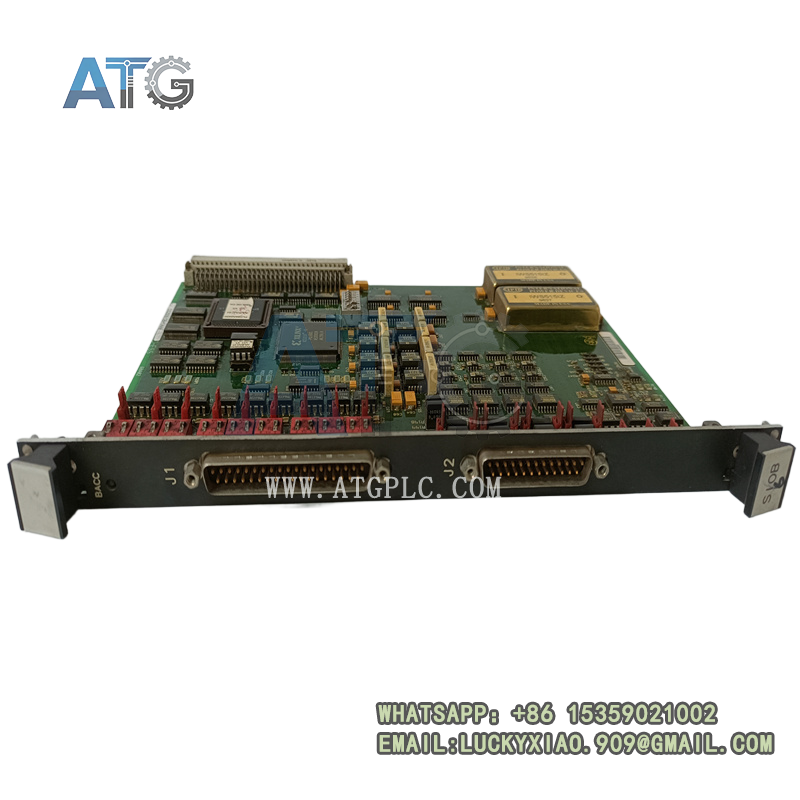
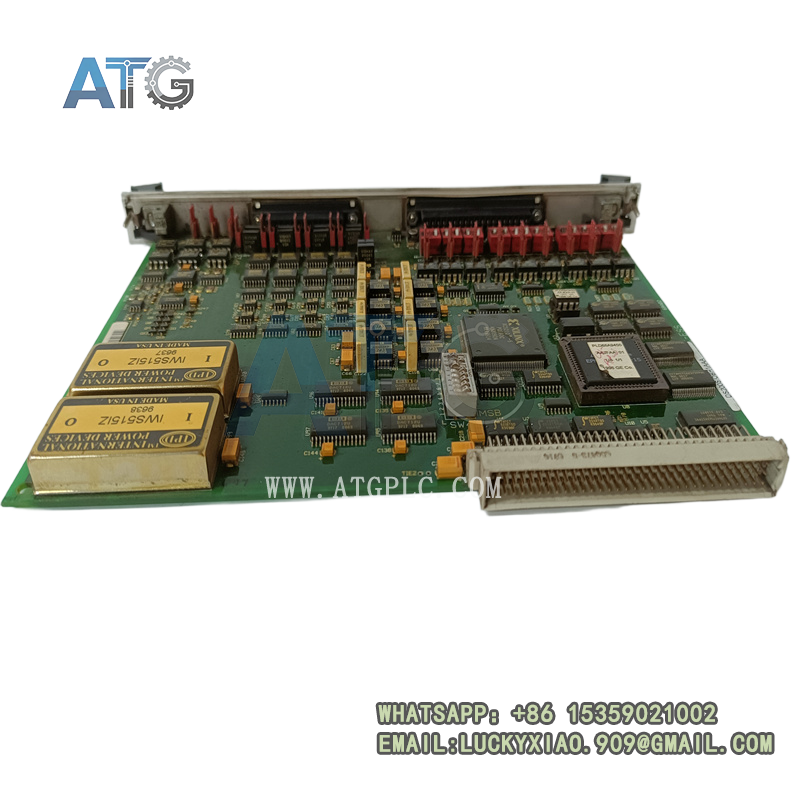
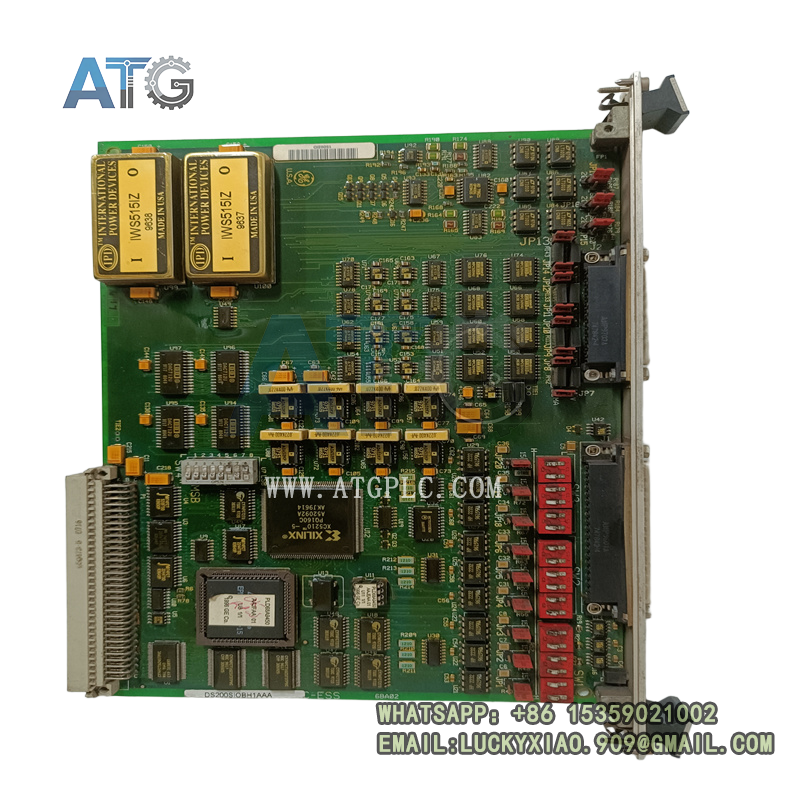
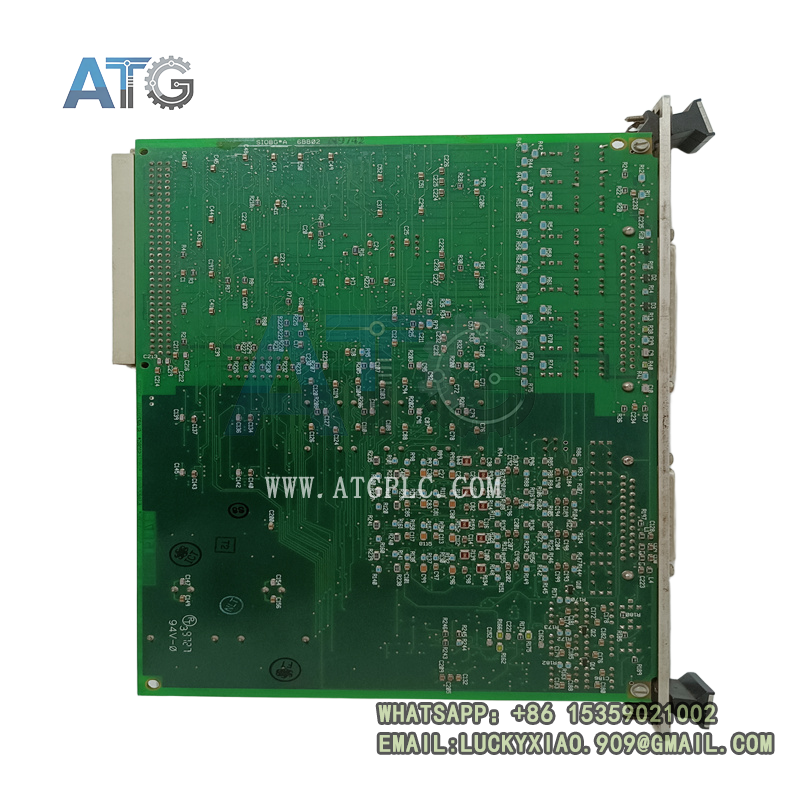
The GE DS200SIOBH1AAA is a serial and discrete input/output board from the DS200 line of the GE Speedtronic Mark V turbine control system. Its short designator is SIOB, and it occupies a single slot in a Mark V VME rack.
The board carries no processor of its own. It sits on the VME bus as a slave, performs buffering, isolation and signal conversion, and leaves every control decision to the main Mark V controller. That arrangement keeps scan behaviour predictable and makes this card an interface device rather than a computing node.
This AAA revision differs from its siblings in one practical way that catches people out: it provides three RS-485 serial ports, while the ABA revision carries two mixed RS-232/RS-485 channels. Cabling plans do not translate between the two.
Field work on this board revolves around serial links to operator panels, Modbus devices and drives, plus discrete points for interlocks and status contacts.
Product Features
Three RS-485 ports on one card give a rack more remote drops than a mixed-port board can offer, which suits plants with scattered skids and long cable runs.
- Serial channels cover 300 bps to 115.2 kbps with automatic baud detection, so a replacement board can match an existing device without manual rate hunting.
- Protocol handling spans Modbus RTU, ASCII, DF1 and GE proprietary serial formats, letting third-party meters and GE terminals share the same hardware.
- Sixteen 24 VDC opto-isolated inputs and sixteen 24 VDC transistor outputs cover interlock feedback and relay driving without a second discrete card.
- A 1500 Vrms isolation barrier separates serial ports, discrete I/O and the VME backplane, which keeps ground loops out of the control electronics.
- Surge and ESD protection circuits sit ahead of the logic stage on every field entry, a detail that matters during storm season and maintenance outages.
- Twenty jumpers and eighteen DIP switches define port mode, bus address, parity and termination, so configuration stays fully local and repeatable.
- Half-duplex VME interface runs at 5 Mbps, keeping I/O refresh tight enough for turbine governing duties.
- Conformal coating and a single front-panel status LED round out the package for humid plant rooms and quick walk-by diagnostics.
Technical Specifications
| Item | Specification |
|---|---|
| Ordering model | DS200SIOBH1AAA |
| Series designator | SIOB, H1 group, AAA revision |
| Manufacturer | General Electric |
| Product type | Serial and discrete I/O board |
| System platform | GE Speedtronic Mark V turbine control |
| Bus role | VME slave, 6U Eurocard |
| Serial ports | 3 × RS-485 |
| Baud rate | 300 bps to 115.2 kbps, auto-baud detection |
| Protocols | Modbus RTU, ASCII, DF1, GE proprietary serial |
| Isolation rating | 1500 Vrms, ports and I/O to VME backplane |
| Digital inputs | 16 channels, 24 VDC, opto-isolated |
| Digital outputs | 16 channels, 24 VDC, 0.5 A per channel |
| VME bus speed | 5 Mbps, half duplex |
| Power source | +5 VDC from the VME backplane |
| Power draw | 2.5 A typical, 3 A maximum |
| Configuration | 20 jumpers, 18 DIP switches |
| Operating temperature | -40°C to +70°C, non-condensing |
| Humidity | 5% to 95%, non-condensing |
| Protection rating | IP20 |
| Coating | Conformal coating applied |
| Field wiring | 120 Ω termination at both bus ends |
Product Details
A close look at how the card behaves in service is more useful than a spec list alone, so here is the sequence a signal actually follows.
Power entry. The backplane supplies +5 VDC, and onboard regulators clamp voltage spikes while raising a fault indication on overload. If a rack shows intermittent resets, check this rail before blaming the serial devices.
Signal path. Every field line passes through surge and ESD protection, then through the isolation barrier, and only after that reaches the UART or the digital logic. The order matters, because a failure upstream in the protection stage will look like a dead port downstream.
Serial stage. UART chips frame the data, and the auto-baud logic locks onto an incoming rate when the device agrees to cooperate. Devices with unusual framing still need manual settings through the switch bank.
Discrete stage. Inputs use opto-couplers, outputs use transistor drivers rated 0.5 A. Anything heavier, such as a solenoid with a high inrush, belongs on a separate relay board rather than on these channels.
Bus termination. RS-485 segments need a 120 Ω resistor at the two physical ends only. Enthusiastic technicians who terminate every node usually create the reflections they were trying to prevent.
Configuration. A rack’s wiring plan lives in the jumper and switch layout, not in memory. Copy the old board’s settings photographically, then compare switch by switch after installation.
Revision awareness. AAA means three RS-485 ports. Drop an AAA into a rack wired for an ABA, and one channel goes silent even though the board lights up normally. Match the part number to the port plan before the swap.
Board dimensions follow the standard Mark V 6U footprint, roughly 2.1 cm × 18.8 cm × 26.2 cm, at about 0.36 kg. Figures here come from GE-line field documentation and distributor data, so confirm them against the unit label during acceptance.
Application Fields
The three-port layout explains most of where this card ends up.
Combined-cycle plants. Serial drops to fuel gas analysers, vibration monitors and operator terminals often exceed what a two-port board can serve, and AAA covers that without adding a card.
Refinery and compressor packages. Long RS-485 runs to remote skids are routine here, and the 1200 m reach of a properly terminated segment fits those layouts.
Balance-of-plant systems. Water treatment skids, auxiliary boilers and cooling towers usually arrive with Modbus RTU only. A serial channel brings them into the turbine control scheme without a gateway.
Legacy fleet support. Plants that keep Mark V racks alive buy AAA boards as spares, since a card swap costs far less than a control platform migration.
Service and commissioning benches. Repair shops reproduce plant serial behaviour on a bench before travelling to site, which shortens outage windows considerably.
Related Model Recommendations
- DS200SIOBH1ACA — later A-series revision with two 25-pin serial connectors. Same slot, different port plan, so verify wiring before substitution.
- DS200SIOBH1ABA — two mixed RS-232/RS-485 ports. Choose it when short-haul terminal links matter more than a third RS-485 drop.
- DS215DMCBG1AZZ03A — Mark V processor and communication board, the natural partner when a rack needs both sides of the control chain refreshed.
- DS200TCRAG1ACC — relay output board for loads above the 0.5 A channel rating, paired with SIOB on racks driving heavier interlock circuits.