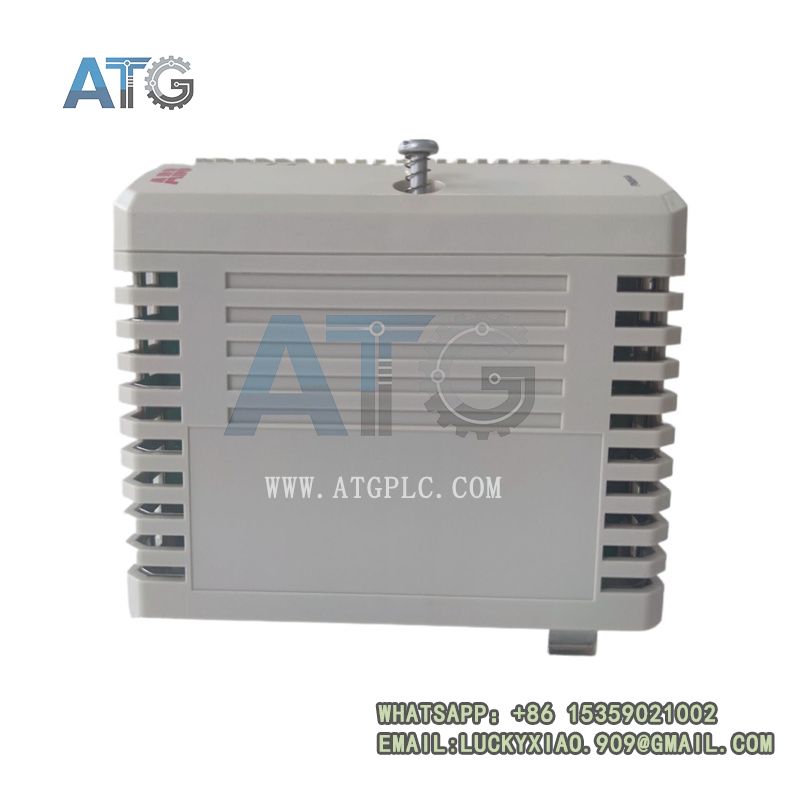

Description
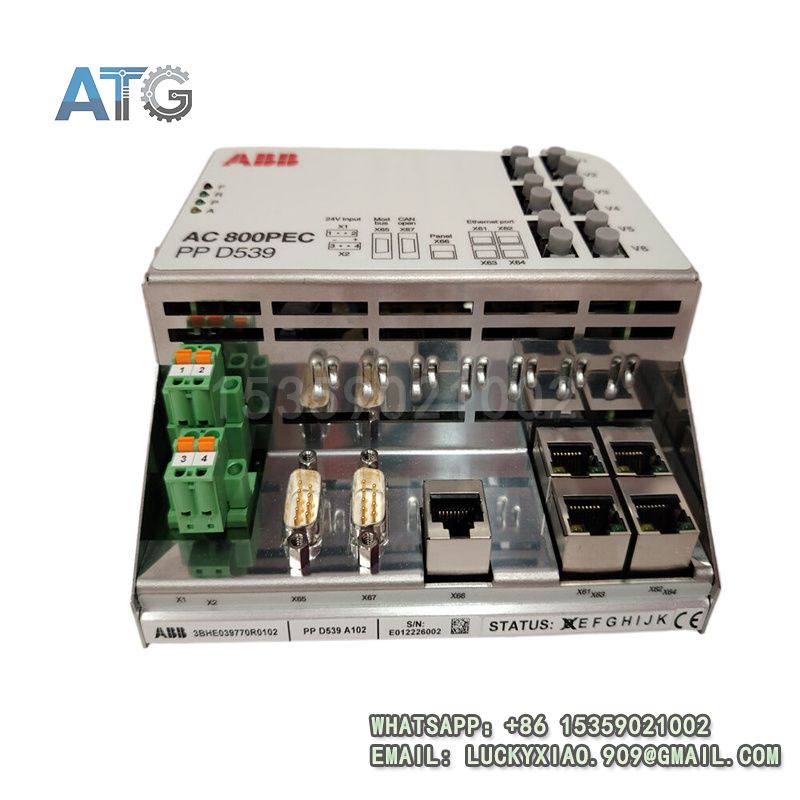
ABB PM864A 3BSE018162R1 is a high-performance processor unit, a core component of ABB’s AC 800M distributed control system (DCS). To put it simply, it’s the “brain” that powers complex industrial automation—responsible for executing control logic, processing real-time data from field devices, and coordinating seamless communication between all system modules. If you work in process manufacturing, power generation, or petrochemicals, you know how vital a reliable processor is, right? This model isn’t just a basic component; it’s engineered to handle the harshest industrial environments while delivering consistent, high-speed performance that keeps your operations running without a hitch.
Core Features & Practical Advantages
Let me break down what makes this processor stand out, because honestly, its balance of power and flexibility is hard to beat. It’s designed for medium to large-scale automation systems where precision and uptime are non-negotiable. Unlike some processors that prioritize speed over stability (or vice versa), this one hits the sweet spot—perfect for complex control tasks that can’t afford unplanned downtime.
- High-Speed Processing: Equipped with a powerful multi-core PowerPC processor running at ≥800 MHz, it delivers fast execution of complex control algorithms—from basic PID control to advanced model predictive control (MPC). Even with multiple tasks running simultaneously, it won’t lag, ensuring real-time responsiveness for critical processes.
- Flexible Memory & Expandability: It comes with 64 MB program memory (expandable to 256 MB) and 32 MB data memory with power-fail protection, so you won’t lose critical data or run out of space when adding new control loops or expanding your system.
- Seamless Communication: Built with 2 Gigabit Ethernet ports and 1 serial interface (RS232/RS485), it supports popular industrial protocols like IEC 61850, OPC UA, Modbus RTU, and Profibus DP. It integrates effortlessly with ABB’s I/O modules, HMIs, and third-party devices—no extra communication cards needed.
- Redundancy & Reliability: It supports 1:1 hot standby redundancy, with a switchover time of less than 100 ms, ensuring zero downtime if one processor fails. It also has built-in self-diagnostics to alert you to potential issues (like power or communication errors) before they impact your process.
Q: Is it easy to install and maintain? A: Absolutely. It uses a plug-and-play design that fits perfectly into ABB’s AC 800M rack, so you can install it in minutes without specialized tools. Maintenance is just as simple—you can hot-swap the module while the system is running, so you don’t have to interrupt operations to replace it.
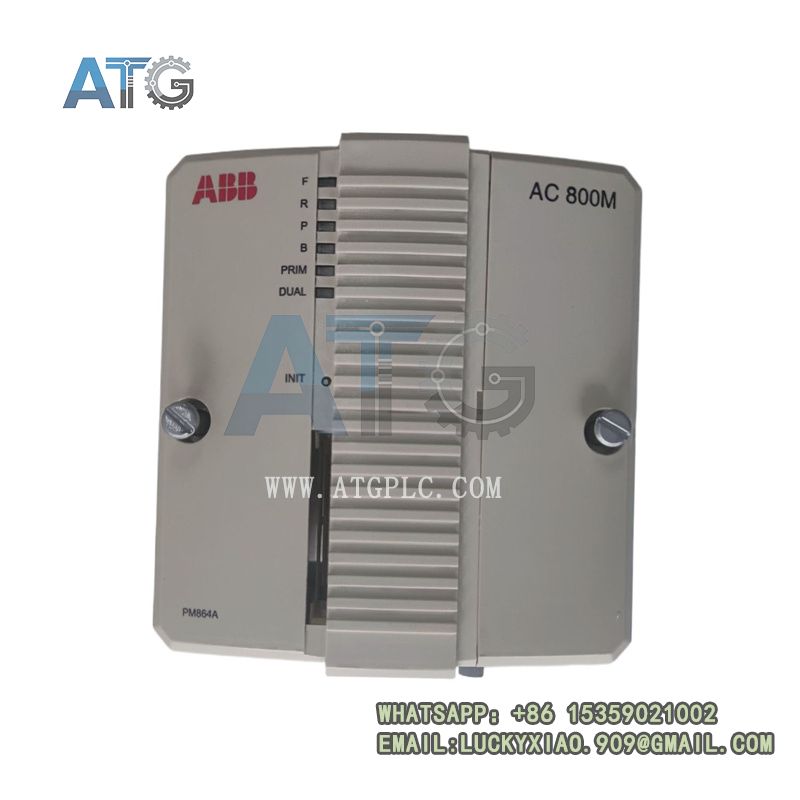
PM864A 3BSE018162R1
Technical Specifications (Key Details You Need)
Let’s cut to the chase—here are the specs that actually matter for your daily operation, no unnecessary jargon or fluff. I’ve organized them into a clear table so you can find what you need at a glance.
| Parameter | Details |
| Model | ABB PM864A 3BSE018162R1 |
| Processor | Multi-core PowerPC, ≥800 MHz, real-time multi-tasking |
| Memory | 64 MB program memory (expandable to 256 MB), 32 MB data memory (power-fail protected) |
| Operating Voltage | 24V DC (±20% tolerance), dual power supply redundancy support |
| Operating Temperature | -25°C to +70°C (industrial-grade wide temperature range, no extra cooling needed) |
| Communication Interfaces | 2 x 10/100/1000 Mbps Ethernet ports, 1 x RS232/RS485 serial port |
| Redundancy | 1:1 hot standby redundancy, switchover time < 100 ms |
| I/O Capacity | Up to 1024 I/O points via S800/S900 I/O bus |
| Warranty | 2-year standard warranty (varies by supplier) |
Application Scenarios & Real-World Use
This processor isn’t just for show—it’s built to handle real industrial challenges. Let me give you a concrete example. In a petrochemical refinery, it’s used as the core of the reactor control system, processing real-time data from temperature, pressure, and flow sensors, and adjusting fuel and chemical feed rates to ensure safe, efficient operation. Without a reliable processor like this, even a small lag could lead to costly leaks or shutdowns.
One thing to note: it’s designed for complex process control, but its versatility means it can be used in a wide range of industries. Here are some common use cases:
- Power Generation: Control systems for coal, gas, and renewable energy plants (solar, wind), coordinating boiler, turbine, and grid integration to ensure stable power output.
- Petrochemical & Chemical: Process control for reactors, distillation columns, and pipelines, managing hazardous materials and ensuring compliance with safety standards (meets IEC 61508 SIL2).
- Water & Wastewater: Treatment plant control, managing pumps, valves, and filtration systems to maintain water quality and optimize flow rates.
- Smart Manufacturing: Production line control, robot coordination, and energy management, integrating with MES/ERP systems for end-to-end process visibility.
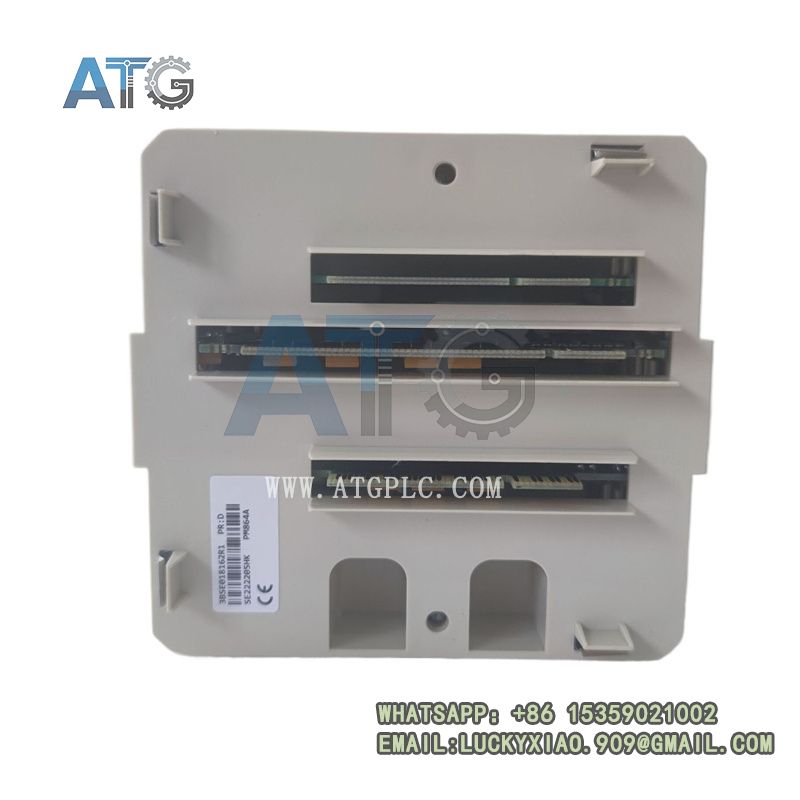
PM864A 3BSE018162R1
Why Choose This Model? (A Quick Comparison)
Let’s be real—there are plenty of processor units on the market. But what makes this ABB model worth your investment? It’s all about reliability and compatibility. Unlike generic processors that often struggle to integrate with ABB’s AC 800M system, this one is purpose-built for it—so you won’t have to deal with compatibility headaches or custom programming.
And unlike high-end modules that come with unnecessary features (and a sky-high price tag), this one focuses on what matters: fast processing, stable redundancy, and easy maintenance. It’s built to last, too—ABB’s industrial-grade components can handle extreme temperatures, vibration, and electrical interference common in industrial sites… no more frequent replacements or unplanned downtime that eats into your profits.
Final Notes for Users
If you’re upgrading your AC 800M system or building a new control system, this processor is a no-brainer. It’s compatible with all ABB AC 800M I/O modules and software (like Control Builder M), so you can integrate it seamlessly without overhauling your entire setup. Plus, it’s backed by ABB’s global after-sales support—if you run into any issues, help is just a call away.
At the end of the day, this isn’t just a processor unit—it’s the backbone of your automation system. Isn’t that exactly what you need to keep your industrial processes running smoothly, safely, and efficiently?