
Description
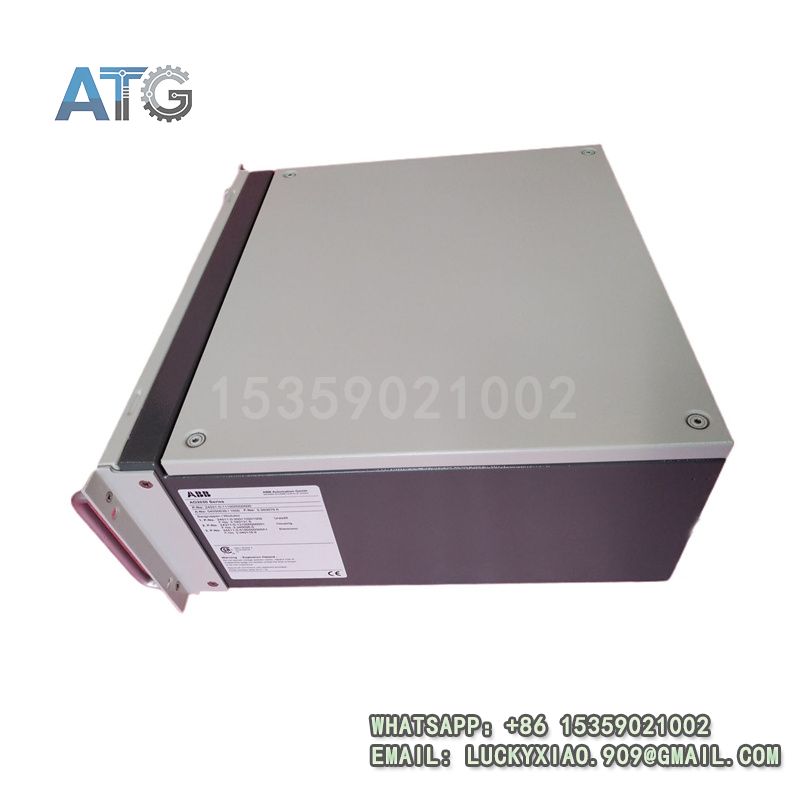
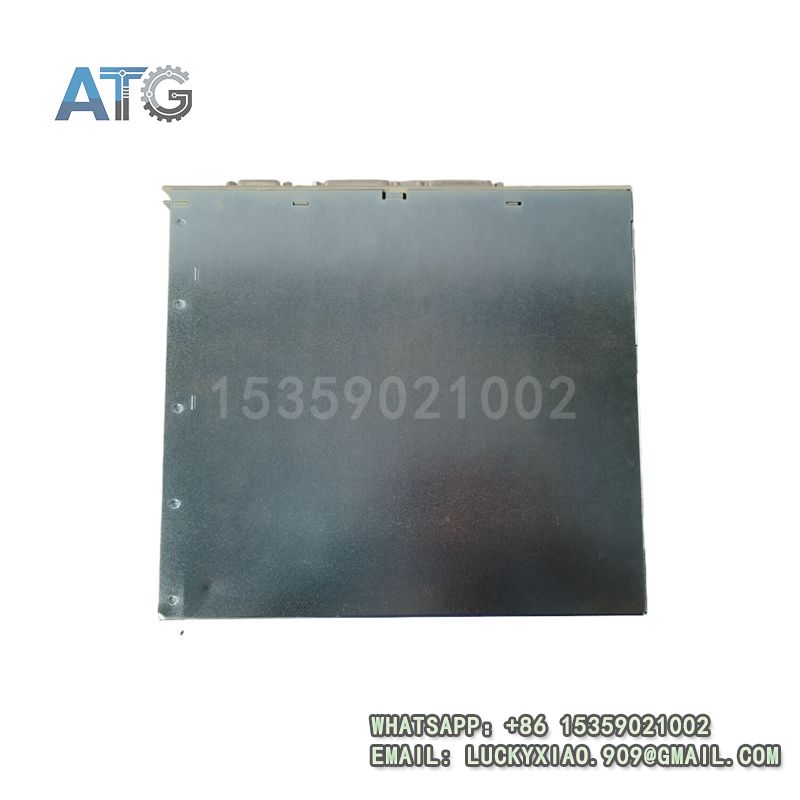
ABB PM665 3BDS005799R1 is a high-performance safety logic controller, a core product of ABB’s AC 500-S functional safety product family, specifically designed for high-risk industrial scenarios that require top-level safety protection. To put it simply, it’s the “safety guardian” of your industrial operations—adopting a dual-core lockstep hardware architecture and passing international authoritative certifications, it reliably executes SIL3-level safety functions, ensuring that potential hazards are quickly identified and addressed to protect personnel, equipment, and production safety. If you work in mechanical manufacturing, renewable energy, process industry, or material handling, you know how catastrophic safety failures can be, right? This model isn’t just a basic PLC; it’s engineered to eliminate silent faults, support multi-protocol safety communication, and simplify engineering configuration, making it an indispensable core component for achieving “intrinsic safety” in automation systems.

AC500-S safety PLC and ABB safety products
Core Features & Practical Advantages
Let me break down what makes this safety controller stand out, because honestly, its value lies in the hardware-level safety and practical engineering efficiency that solve real on-site safety pain points. It’s designed for high-risk scenarios that require SIL3-level protection, so it’s not a generic PLC that sacrifices safety for cost. Unlike ordinary PLCs that lack dedicated safety mechanisms and can’t prevent silent faults, this one focuses on fault detection, rapid response, and flexible integration—exactly what high-risk industrial environments demand.
- Dual-Core Lockstep Hardware Architecture: Its core adopts two identical 32-bit RISC CPUs that execute the same instructions simultaneously, with a dedicated comparator to real-time verify output results. Once any deviation is detected (such as single-particle flip or hardware failure), the system immediately enters a safe state (such as cutting off safety output), with a typical response time of less than 10ms. This architecture fundamentally eliminates silent faults and ensures “fail-safe” performance[1].
- Top-Level Safety Certifications: It has passed a series of international authoritative safety certifications, including IEC 61508: SIL3 (system level), ISO 13849-1: Performance Level e (PL e), and EN 62061: SIL CL 3. These certifications mean it can be directly used in high-risk scenarios such as stamping machines, wind power pitch systems, and chemical reactor interlocks, without the need for additional safety verification[1].
- Multi-Protocol Safety Communication: It natively integrates safety communication protocols—its built-in Ethernet port supports CIP Safety over EtherNet/IP, and it can support PROFIsafe over Profibus DP through an optional communication module (such as CM572-DP). It can directly connect to safety I/O modules, safety drives, and third-party safety devices (such as safety light curtains, safety encoders), building a fully integrated safety network[1].
- Unified Engineering Environment & Easy Configuration: It is fully compatible with ABB Automation Builder software, with a built-in Safety Builder plug-in. Safety programs and standard programs can be developed in the same project, which greatly simplifies debugging and reduces the workload of engineers. Unlike some safety controllers that require separate programming software, this one achieves unified configuration and management, improving engineering efficiency[1].
Q: Why is this safety controller more reliable than ordinary PLCs in high-risk scenarios?
A: Great question. Ordinary PLCs are designed for standard control tasks and lack dedicated safety mechanisms—they can’t effectively detect silent faults, and their response speed is too slow to handle sudden hazards. This controller uses a dual-core lockstep architecture with a diagnostic coverage rate of over 99%, which can quickly detect hardware and software faults and enter a safe state in milliseconds. Isn’t that exactly the reliability you need to protect personnel and equipment?
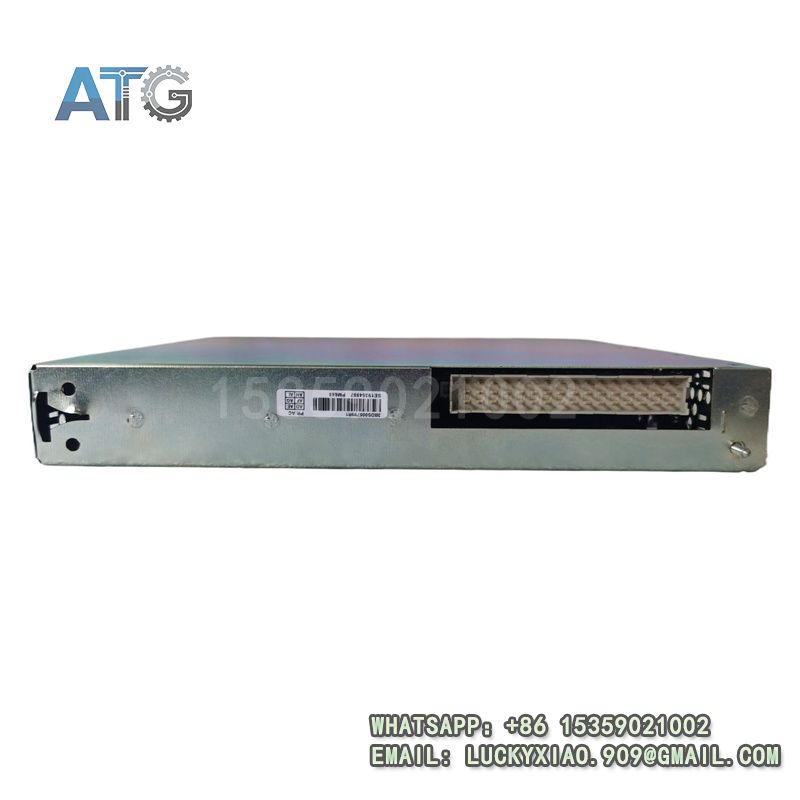
PM665 3BDS005799R1
Technical Specifications (Key Details You Need)
Let’s cut to the chase—here are the specs that actually matter for your daily operation, no unnecessary jargon or fluff. I’ve organized them into a clear table so you can find what you need at a glance.
| Parameter | Details |
| Model | ABB PM665 3BDS005799R1 |
| Product Type | Safety logic controller (Safety PLC), part of ABB AC 500-S series |
| Safety Level | IEC 61508: SIL3; ISO 13849-1: PL e; EN 62061: SIL CL 3 |
| Processor Architecture | Dual-Core Lockstep 32-bit RISC CPU |
| Program Memory | 4 MB (for safety program + standard program) |
| Communication Interfaces | 1×RJ45 10/100 Mbps Ethernet (supports EtherNet/IP + CIP Safety), 1×RS-485 (for programming & Modbus RTU); expandable Profibus DP via CM572-DP |
| Safety Response Time | < 10 ms (typical) |
| Operating Temperature | 0°C to +60°C (industrial temperature range) |
| Protection Rating | IP20 (suitable for installation in control cabinets) |
| Power Supply | 24 V DC (±20% tolerance), low power consumption |
| Programming Software | ABB Automation Builder (with Safety Builder plug-in), compliant with IEC 61131-3 |
| Warranty | 2-year standard warranty (varies by supplier) |
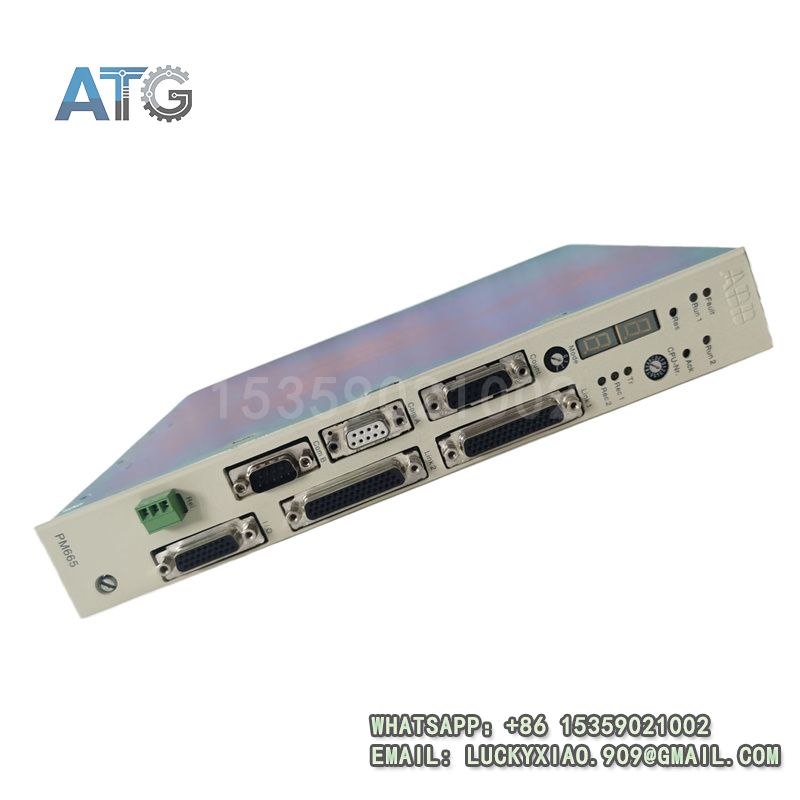
PM665 3BDS005799R1
Application Scenarios & Real-World Use
This safety controller isn’t just a piece of control equipment—it’s the last electronic line of defense guarding personnel and assets, directly determining the safety of your production operations. Let me give you a concrete example. In an automotive welding workshop project I participated in, PM665 was used as the safety master station for the robot work cell. It simultaneously processed safety signals from 8 safety door locks, 4 emergency stop circuits, and 2 collaborative robots, and communicated with the FANUC robot controller via CIP Safety. When any safety door was accidentally opened, PM665 cut off the robot enable and applied the brake within 8ms—much faster than the mechanical inertia stop time, completely eliminating the risk of pinching[1].
One thing to note: it’s especially suitable for high-risk industrial scenarios that require SIL3-level safety protection, and its versatility makes it widely used in various industries. Here are some common use cases:
- Mechanical Manufacturing: Safety control of stamping machines, injection molding machines, and laser cutting workstations; emergency stop interlocking and safety door monitoring to avoid operator injuries.
- Renewable Energy: Safety systems for wind power pitch and yaw, wind protection for photovoltaic trackers, ensuring safe operation of new energy equipment in harsh environments.
- Process Industry: Over-temperature/over-pressure interlocking of chemical reactors, safety systems for burner management (BMS), preventing leakage and explosion hazards[1].
- Material Handling: Safety area monitoring of AGV/AMR, emergency stop interlocking of stackers, ensuring safe operation of material handling equipment.
- Elevators & Escalators: Safety circuit control and overspeed protection, protecting the safety of passengers and equipment.
Why Choose This Model? (A Quick Comparison)
Let’s be real—there are plenty of safety controllers on the market. But what makes this ABB model worth your investment? It’s all about safety reliability and engineering efficiency. Unlike generic safety controllers that have low diagnostic coverage and can’t meet SIL3 requirements, this one uses a dual-core lockstep architecture and has passed strict international certifications—ensuring that every fault is detected in time, and there’s no risk of silent failures that could lead to accidents.
And unlike some safety controllers that only support a single safety communication protocol and are difficult to integrate with third-party equipment, this one natively supports both CIP Safety and PROFIsafe, and can flexibly connect with various safety devices. I once used a non-original safety controller in a wind power pitch system, which frequently failed to communicate with safety I/O modules, leading to equipment shutdowns. Replacing it with PM665 solved the problem completely, with zero safety-related faults in three years… it’s the kind of reliability you can count on when safety can’t be compromised.
Final Notes for Users
If you’re building a high-risk industrial automation system or upgrading your existing safety control setup, this safety controller is a no-brainer. It can be flexibly expanded with ABB’s safety I/O modules (such as AX522/AX524) to meet the safety control needs of different scenarios. Its unified engineering environment simplifies programming, debugging, and maintenance—even your on-site engineering team can get started quickly without advanced safety programming training.
At the end of the day, this isn’t just a safety controller—it’s the reliable guarantee of personnel safety, equipment safety, and production continuity. Isn’t that exactly what you need to achieve “intrinsic safety” and avoid catastrophic losses in high-risk industrial operations?