
Description
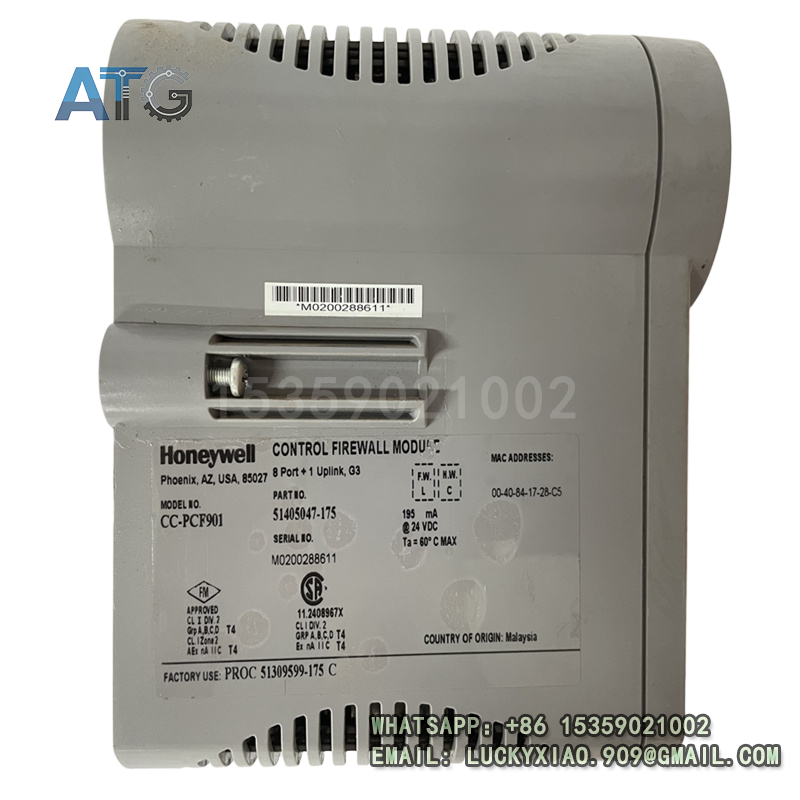
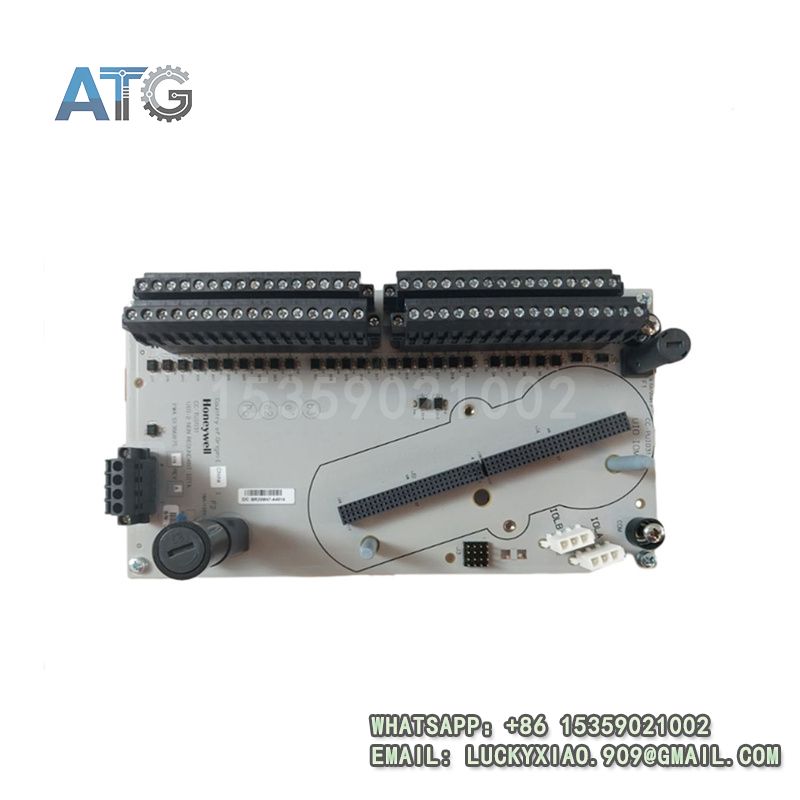
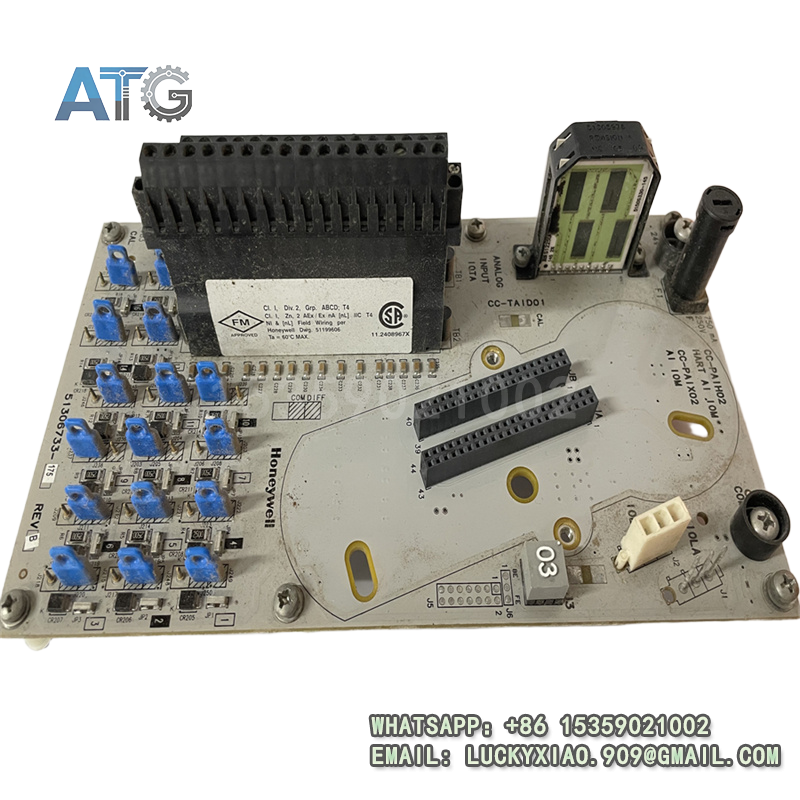
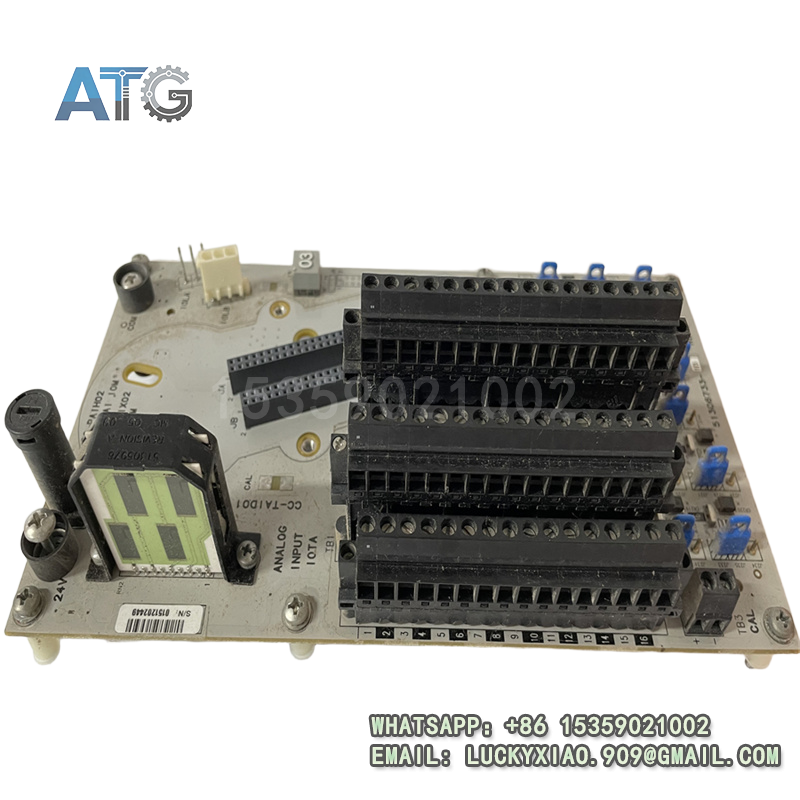
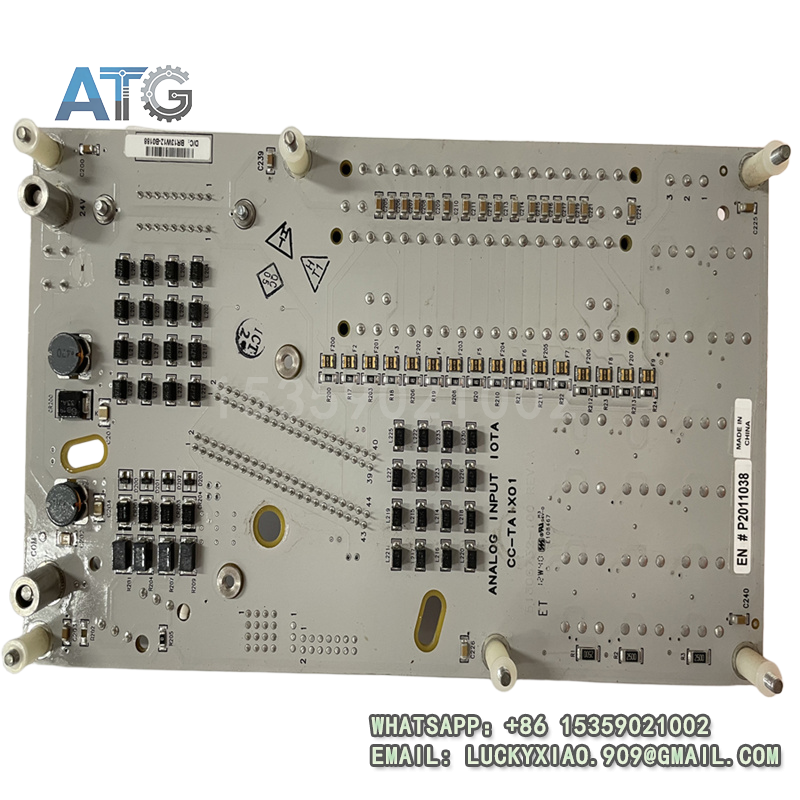
Let me be honest with you—this CC-PAIX02 51405038-475 HONEYWELL module isn’t some fancy, useless industrial part. It’s a core analog input module specially designed by Honeywell for industrial automation systems, part of the Experion PKS C300 series expansion components. It’s all about stability and accuracy, and you’ll find it in tons of small and medium-sized production lines, energy monitoring scenarios—basically anywhere reliable signal collection matters. Frankly, most people who’ve used it say it’s way more practical than other products in the same price range; after all, Honeywell’s industrial quality speaks for itself, right?
CC-PAIX02
I. Core Basic Information (Quick Overview to Avoid Mistakes)
Its core function is simple: it acts as a “signal collector” on the industrial site. It converts analog signals from devices like pressure transmitters and temperature sensors into digital signals that the control system can recognize—sort of like building a communication bridge between on-site equipment and the control system. You might be wondering, aren’t all modules like this? Well, here’s the thing: this one stands out with its compatibility and anti-interference ability, not just basic signal conversion.
Key Basic Features (No Jargon, Easy to Understand)
- Brand & Series: Honeywell, belonging to the Experion PKS C300 system, a classic and mature product line in industrial automation.
- Core Role: Analog input conversion, connecting on-site sensors and control systems to ensure stable signal transmission.
- Basic Advantage: Strong anti-interference, suitable for harsh industrial environments (high temperature, dust, voltage fluctuation).
CC-PAIX02
II. Functional Details & Practical Application
Let’s break down its functions in a way that’s not confusing. First, it supports multiple analog signal types—not just one or two. This means you don’t have to buy different modules for different sensors, which saves both cost and installation trouble. It’s designed for practicality, not complexity.
Q: What specific signal types does it support?
A: It mainly works with 4-20mA current signals and 0-10V voltage signals—these are the most common signal types in industrial sites. Whether you’re monitoring pipeline pressure or equipment temperature, it can handle it smoothly.
One thing to note: It’s a plug-and-play expansion module, not a standalone control unit. That means it needs to be used with the Honeywell Experion PKS C300 controller; it can’t work alone. Don’t make the mistake of buying it thinking it’s a complete system—trust me, I’ve seen someone do that before…
Let me give you an example. A small chemical factory used to have frequent signal interruptions with their old input module, which led to production delays. After switching to CC-PAIX02 51405038-475, they rarely had signal issues—even in the factory’s high-dust, high-humidity environment. That’s the stability we’re talking about.
CC-PAIX02
III. Key Advantages & What Makes It Different
It’s easy to mix this module up with other similar products, but there are a few things that set it apart—things that matter in real-world use.
- Stability First: It has built-in overvoltage and overcurrent protection, so sudden voltage spikes won’t damage the module. Most cheap alternatives skip this protection, which leads to frequent breakdowns.
- Easy Maintenance: The module has clear indicator lights, so you can quickly tell if it’s working normally—no need for complex testing tools. If there’s a problem, you can replace it in 5 minutes, which minimizes production downtime.
- Long Service Life: Honeywell uses high-quality components, so this module can last 5-8 years in normal industrial use, while other brands might only last 2-3 years. It’s a one-time investment that saves money in the long run.
Another point: It’s compatible with most Honeywell PKS system versions, not just the latest ones. So if your factory is using an older PKS controller, you don’t have to upgrade the entire system to use this module—that’s a huge plus, right? It’s designed to fit into existing setups, not force you to spend more money on upgrades.
IV. Final Tips for Users
To sum it up, this module is perfect for anyone who needs reliable, no-fuss analog signal collection. It’s not the cheapest option on the market, but it’s worth every penny—after all, frequent module failures cost way more than investing in a quality one upfront.
A quick reminder: When installing, make sure to connect the wires correctly—mixing up positive and negative poles can damage the module. And always buy genuine Honeywell products, not counterfeits; counterfeits might look the same, but they lack the stability and protection features that make this module great.